Birds Are Important for the Environment: How Birds Protect Nature and the Earth’s Habitat
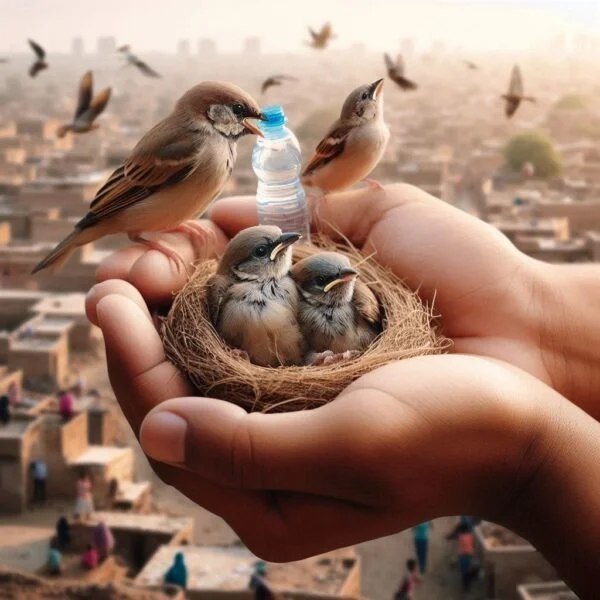
Birds are vitally important for the environment as they protect nature and the Earth’s habitats through various ecological roles. They help maintain ecosystem balance by controlling pest populations, pollinating plants, dispersing seeds, and contributing to nutrient cycling. Birds also support the health and growth of habitats such as forests, wetlands, and grasslands, which in turn stabilize climate and preserve biodiversity.
Birds Control Pest Populations
Many bird species consume insects and rodents, naturally controlling their populations and reducing the need for chemical pesticides. This pest control helps protect crops and forests, benefiting both ecosystems and human agriculture. Birds like bluebirds and swallows eat large numbers of flying insects, thus limiting pests that can damage plants and spread diseases.
Birds Facilitate Plant Reproduction
Birds act as pollinators and seed dispersers for many plants, especially native species. By spreading seeds through their droppings, they promote plant regeneration and diversity across habitats. This seed dispersal helps maintain plant populations that provide food and shelter for other wildlife.
Birds Support Habitats and Ecosystem Services
Birds maintain the delicate balance in ecosystems by influencing populations of herbivores and predators. They protect important habitats such as wetlands, marshes, and grasslands, which serve as natural flood barriers, carbon sinks, and water filters. Through their activities, birds contribute to nutrient cycling, soil formation, and cleaning ecosystems by scavenging dead animals.
Threats and Conservation
Despite their importance, birds face threats from habitat loss, climate change, pollution, and human activities. Conservation efforts focus on protecting natural habitats, restoring ecosystems, and promoting bird-friendly environments in urban and rural areas. These measures are essential to sustain bird populations and the critical ecological services they provide.
Birds protect nature and Earth’s habitats by controlling pests, pollinating plants, dispersing seeds, maintaining ecosystem balance, and supporting the health of vital habitats like wetlands and forests. Protecting bird populations ensures the resilience and functioning of ecosystems that humans and countless other species depend on.
Birds Are Important for the Environment: How Birds Protect Nature and the Earth’s Habitat
Birds are among the most visible, widely distributed, and ecologically influential creatures on the planet. Found across every continent—from the polar tundra to dense tropical forests, deserts, grasslands, mountains, cities, and coastlines—birds play numerous essential roles in maintaining the stability, resilience, and health of ecosystems. Their presence often serves as an indicator of environmental quality, and their disappearance warns of ecological imbalance.
Understanding the importance of birds is not just an intellectual exercise—it is vital for sustaining life on Earth. Birds participate in pollination, seed dispersal, pest control, nutrient cycling, climate regulation, and the overall functioning of food webs. They shape the environment in ways that many people never realize.
This article provides a deep exploration into why birds matter, how they protect nature, and what happens when birds decline.
1. Birds as Natural Pest Controllers
One of the most important ecological functions of birds is controlling insect and rodent populations.
1.1 Insect Control
Birds such as swallows, flycatchers, cuckoos, and warblers consume vast numbers of insects, including:
-
mosquitos
-
crop-destroying beetles
-
caterpillars
-
aphids
-
locusts
A single swallow can eat hundreds of insects in a day. In agricultural landscapes, birds decrease the need for chemical pesticides, making farming more sustainable and reducing environmental contamination.
1.2 Rodent Control
Birds of prey—hawks, owls, eagles, and falcons—keep rodent populations in check. Without them, rodents can proliferate and damage crops and native vegetation.
By keeping pest populations balanced, birds help maintain natural ecosystems and ensure food security for humans.
2. Birds as Seed Dispersers and Forest Engineers
Many plants depend on birds to carry their seeds far from the parent plant, enabling forests to grow, migrate, and recover.
2.1 Seed Dispersal
Birds like hornbills, toucans, thrushes, jays, and pigeons swallow fruits and later excrete the seeds in new locations. This:
-
prevents overcrowding of vegetation
-
maintains genetic diversity
-
aids forest expansion
-
enables vegetation to recolonize cleared or damaged land
2.2 Forest Regeneration After Disturbance
After wildfires, logging, or storms, birds help rebuild ecosystems. Studies show that areas rich in fruit-eating birds regenerate faster.
2.3 Mangrove and Coastal Ecosystem Builders
Birds such as herons and kingfishers distribute nutrients in coastal forests, helping maintain mangrove health—crucial for coastline protection and fish nurseries.
Birds are therefore architects of the environment, shaping the landscapes we rely on.
3. Birds as Pollinators
While bees often receive full credit for pollination, thousands of bird species also pollinate flowering plants. Examples include:
-
hummingbirds (Americas)
-
sunbirds (Africa and Asia)
-
honeyeaters (Australia)
3.1 Why Bird Pollination Matters
Birds:
-
transfer pollen across long distances
-
stabilize plant reproduction when insect populations decline
-
support the survival of plants that bloom in harsh or remote environments
Many forest, desert, and alpine plants rely almost exclusively on birds for pollination.
4. Birds Support Nutrient Cycling and Soil Health
Bird droppings—called guano—are rich in nitrogen, phosphorus, and potassium. In many ecosystems, this acts as natural fertilizer.
4.1 Boosting Soil Fertility
Seabird colonies can fertilize entire islands. As rainwater washes nutrient-rich guano into the soil, it:
-
increases plant growth
-
enhances soil microbial activity
-
supports diverse vegetation
4.2 Marine Nutrient Distribution
Seabirds feed in the oceans and return nutrients to land through their droppings, creating a nutrient bridge between marine and terrestrial environments.
Birds subtly but powerfully maintain soil and vegetation health in ways humans often overlook.
5. Birds Maintain Ecological Balance and Food Web Stability
Birds occupy every level of the food chain—from primary consumers to apex predators. They:
-
regulate populations of fish, insects, and small mammals
-
compete with invasive species
-
create niches for other organisms
-
remove carrion and reduce disease spread (vultures and scavengers)
Without birds, the balance of ecosystems collapses. Predatory birds, in particular, influence the behavior and density of other species, maintaining stability across ecosystems.
6. Birds Clean the Environment
6.1 Scavenging and Disease Prevention
Vultures, crows, ravens, and some storks consume dead animals, preventing the spread of pathogens.
In regions where vulture populations have collapsed, human diseases like rabies, cholera, and anthrax have increased because carcasses remain exposed.
6.2 Landscape Management
Birds like geese, ducks, and grouse graze on vegetation, preventing overgrowth and reducing the risk of wildfires.
7. Birds Influence Climate and Atmospheric Health
Birds affect climate and local weather patterns through their interactions with forests and oceans.
7.1 Supporting Carbon Sequestration
By dispersing seeds and helping forests regenerate, birds indirectly support carbon capture in trees.
7.2 Marine Influence
Seabirds fertilize plankton-rich waters. Plankton absorb massive amounts of CO₂ and release oxygen, stabilizing the atmosphere.
7.3 Modifying Vegetation Patterns
Bird-driven seed dispersal shapes the structure of forests, influencing rainfall, temperature, and humidity.
8. Birds as Environmental Indicators (Bioindicators)
Bird populations reflect the health of the environment. Because birds are sensitive to pollution, climate shifts, and habitat destruction, declines often signal ecological crisis.
Examples:
-
DDT caused eggshell thinning in raptors, warning of pesticide dangers
-
declining seabirds signal ocean warming and overfishing
-
reduced songbird numbers reveal forest fragmentation
Birds are nature’s early warning system.
9. Birds Have Cultural, Economic, and Spiritual Importance
Beyond ecological value, birds enrich human life in countless ways.
9.1 Economic Benefits
Birdwatching tourism generates billions of dollars annually, supporting conservation and local economies.
9.2 Cultural Significance
Birds symbolize freedom, hope, transformation, and wisdom in cultures worldwide.
9.3 Mental and Emotional Health
The sounds, colors, and behaviors of birds reduce stress and increase well-being. Green spaces rich in bird life promote mental health.
10. What Happens When Birds Decline?
Bird declines cause cascading ecological failures:
-
insect outbreaks
-
rodent infestations
-
crop losses
-
forest collapse
-
disease outbreaks
-
climate destabilization
For example, India’s 99% vulture decline led to:
-
rotting carcasses
-
a boom in feral dogs
-
rabies outbreaks causing tens of thousands of deaths
Bird loss is not just a biodiversity issue—it is a human survival issue.
11. How Humans Can Protect Bird Populations
11.1 Protecting Habitats
-
conserve forests, wetlands, and grasslands
-
prevent deforestation and land fragmentation
11.2 Reducing Pesticide Use
Eco-friendly farming protects insects and birds.
11.3 Fighting Climate Change
Climate shifts alter migration routes and breeding cycles.
11.4 Safe Urban Design
-
build bird-safe windows
-
reduce light pollution
-
create green roofs and wildlife corridors
11.5 Supporting Conservation Efforts
Community engagement, protected areas, and legal policies make a difference.
Birds Keep Earth Alive
Birds are not just beautiful creatures—they are essential pillars of environmental health. They pollinate flowers, build forests, clean the environment, regulate pests, enrich soil, support climate stability, and warn us of ecological damage. Without birds, ecosystems would unravel, and humanity would face severe consequences.
Protecting birds means protecting ourselves and future generations. Every tree planted, every wetland preserved, every pesticide avoided, and every bird-safe habitat created helps keep Earth vibrant and alive.
Ajay Gautam is a well-known Indian legal professional and environmentalist who is widely recognized as a dedicated Bird Advocate. He combines his extensive legal career with passionate environmental activism focused on bird conservation and environmental protection. Ajay Gautam leads initiatives that support animal care and the rights of people to clean air and water, operating through his foundation which is committed to sustainable development and preserving India’s cultural heritage. His advocacy work in bird protection forms a significant part of his environmental contributions alongside his legal practice based in Jabalpur, Madhya Pradesh.
He is also respected in the legal field for his versatile expertise and client-centric approach, often utilizing his platform to raise awareness about social and environmental issues, including bird conservation. Ajay Gautam uses social media and professional networks to influence public awareness and promote causes related to environmental and legal rights. His dual role as an advocate in courts and a bird advocate highlights his dedication to ecological and legal justice.
Ajay Gautam is notable for his unique amalgamation of law and environmentalism, especially bird advocacy, making him an influential figure in both arenas in India.